

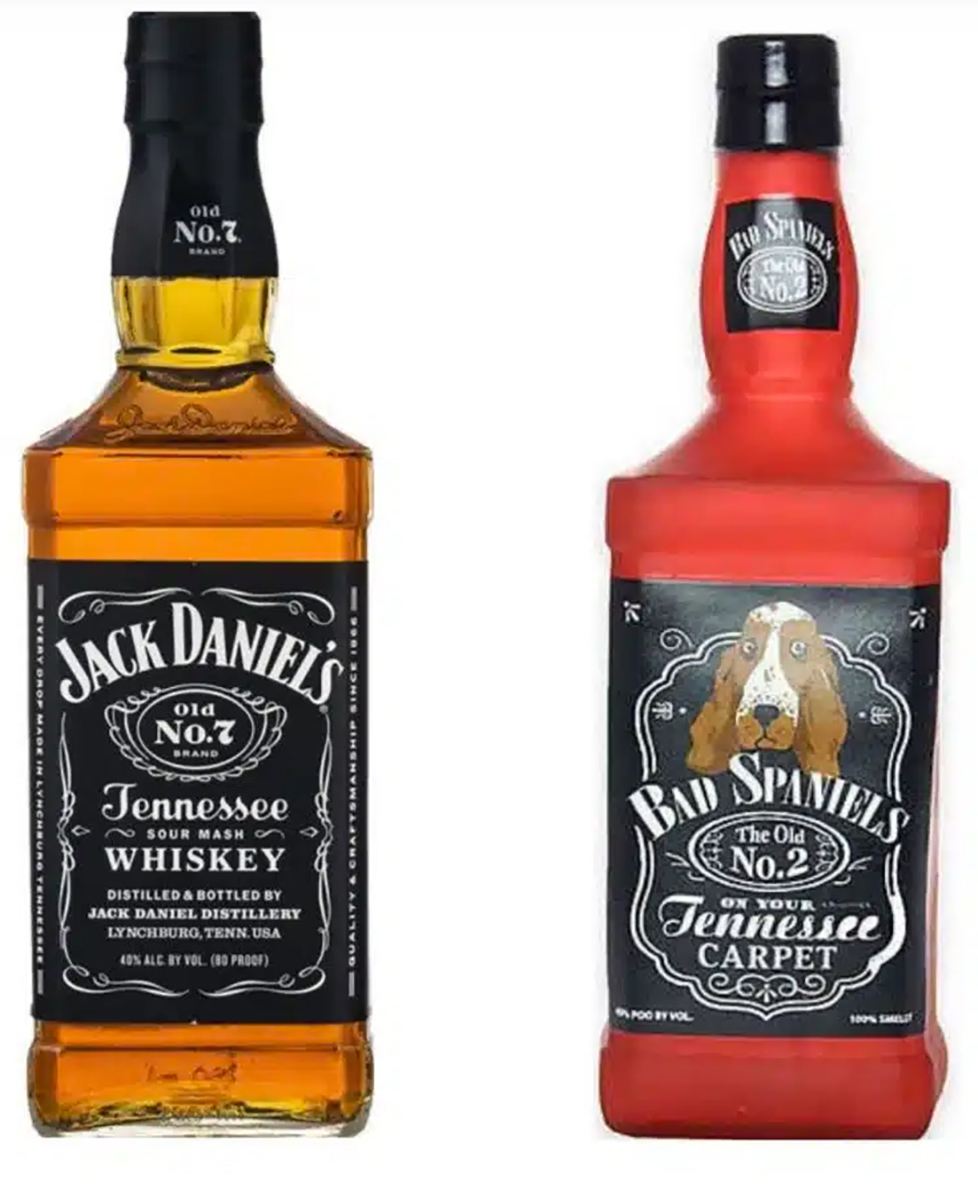
Likelihood of confusion exists when a trademark or trade dress causes relevant consumers to be confused as to the source or affiliation of that product or service. Confusion can take place before the sale, at the point-of-sale, or after the sale.
The courts recognize two types of confusion in trademark or trade dress:
Forward confusion occurs when consumers mistakenly believe that the junior user’s product or service is from the senior user or affiliated with the senior user’s products or services.
Reverse confusion occurs when consumers mistakenly believe that the senior user’s product or service is from the junior user. In other words, they mistakenly believe the junior user is the rightful owner of the mark.
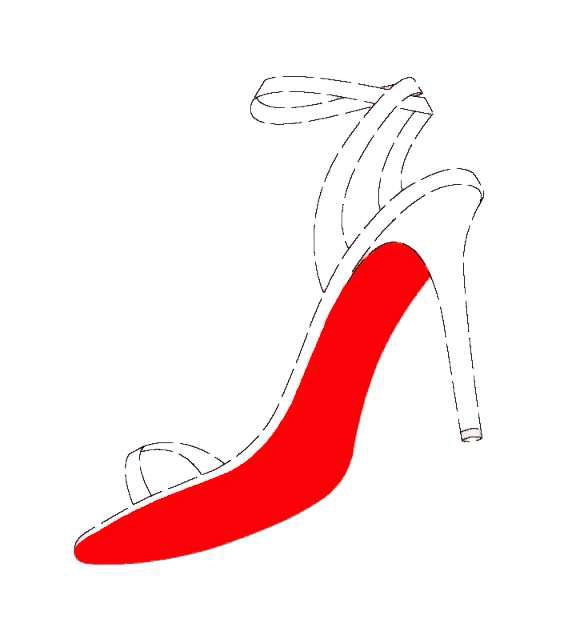
Likelihood of confusion exists when a trademark or trade dress causes relevant consumers to be confused as to the source or affiliation of that product or service. Confusion can take place before the sale, at the point-of-sale, or after the sale.
The courts recognize two types of confusion in trademark or trade dress:
Forward confusion occurs when consumers mistakenly believe that the junior user’s product or service is from the senior user or affiliated with the senior user’s products or services.
Reverse confusion occurs when consumers mistakenly believe that the senior user’s product or service is from the junior user. In other words, they mistakenly believe the junior user is the rightful owner of the mark.
Likelihood of confusion exists when a trademark or trade dress causes relevant consumers to be confused as to the source or affiliation of that product or service. Confusion can take place before the sale, at the point-of-sale, or after the sale.
The courts recognize two types of confusion in trademark or trade dress:
Forward confusion occurs when consumers mistakenly believe that the junior user’s product or service is from the senior user or affiliated with the senior user’s products or services.
Reverse confusion occurs when consumers mistakenly believe that the senior user’s product or service is from the junior user. In other words, they mistakenly believe the junior user is the rightful owner of the mark.
Likelihood of confusion exists when a trademark or trade dress causes relevant consumers to be confused as to the source or affiliation of that product or service. Confusion can take place before the sale, at the point-of-sale, or after the sale.
The courts recognize two types of confusion in trademark or trade dress:
Forward confusion occurs when consumers mistakenly believe that the junior user’s product or service is from the senior user or affiliated with the senior user’s products or services.
Reverse confusion occurs when consumers mistakenly believe that the senior user’s product or service is from the junior user. In other words, they mistakenly believe the junior user is the rightful owner of the mark.